
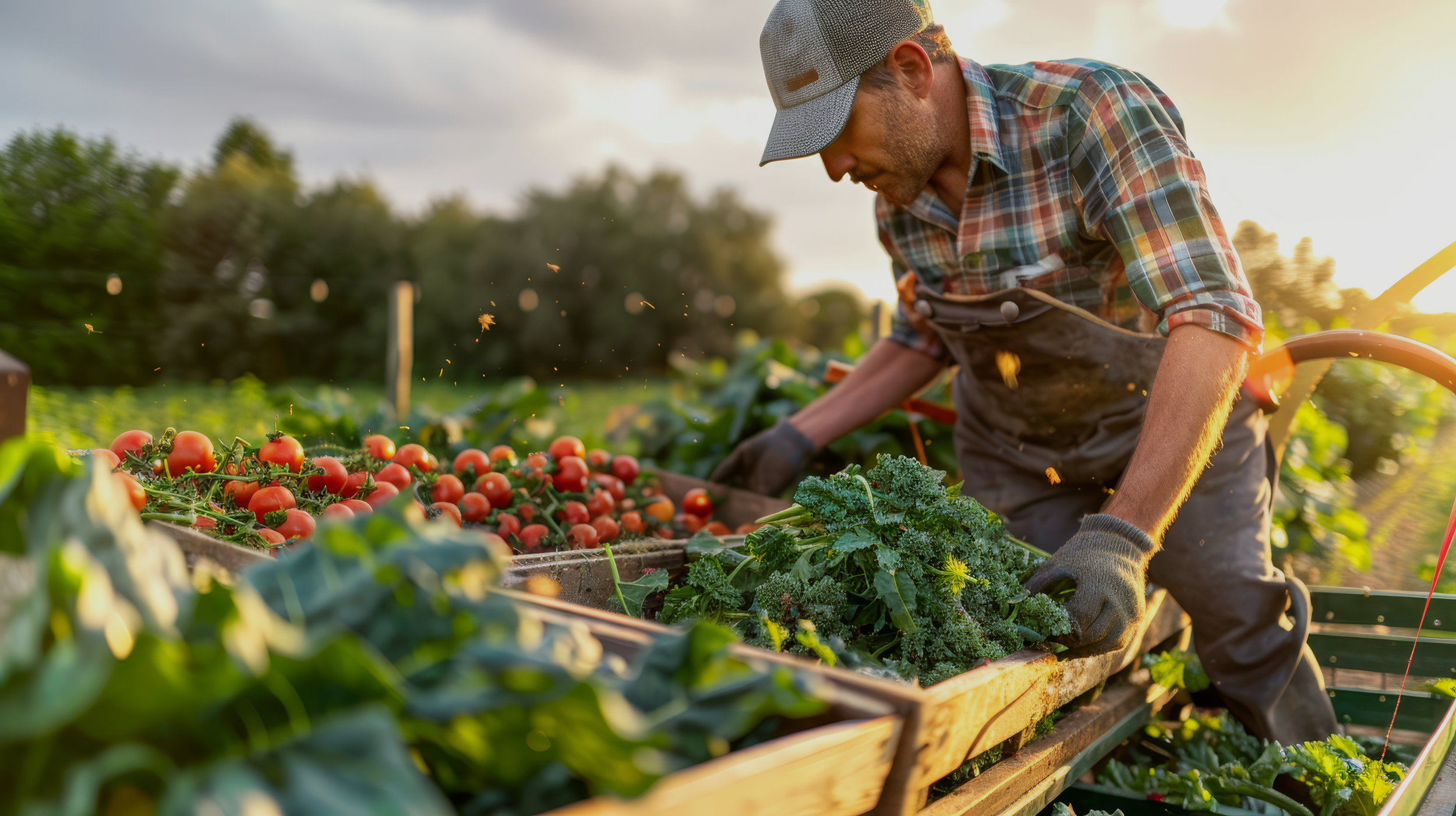
Building a stronger and connected local food system. Together.
Imagine a future where good food is never wasted, local pantries are fully stocked, and every resident of York County is well fed.
More Collaboration.
Less Waste.
Across York County, there are 50+ food pantries and meal programs operating independently. The capacity of each is limited by storage constraints, staffing and transportation challenges, and inconsistent access to food.
At the same time, nutritious food is often wasted — not because it isn’t needed, but because there’s no coordinated way to store it, move it, or share it efficiently.
We believe a centralized Food Hub, that expands the capacity of local pantries, promotes food rescue, and encourages regional food sharing, is the missing link.
No such hub exists today in York County, but we’re working to make it a reality.
How a Hub Would Work
There are a variety of operational models for successful food hubs in Maine and nationwide. In York County, we envision an easily accessible warehouse space, operating as a non-profit and offering these key benefits.

Shared Storage
Refrigeration, freezer, and dry storage space shared by county food programs.

Logistics Support
A fleet of trucks and heavy equipment to support food pickup and drop-off.

Food Prep Capacity
Space and equipment to prepare, preserve, or repurpose perishable foods.

Food Rescue
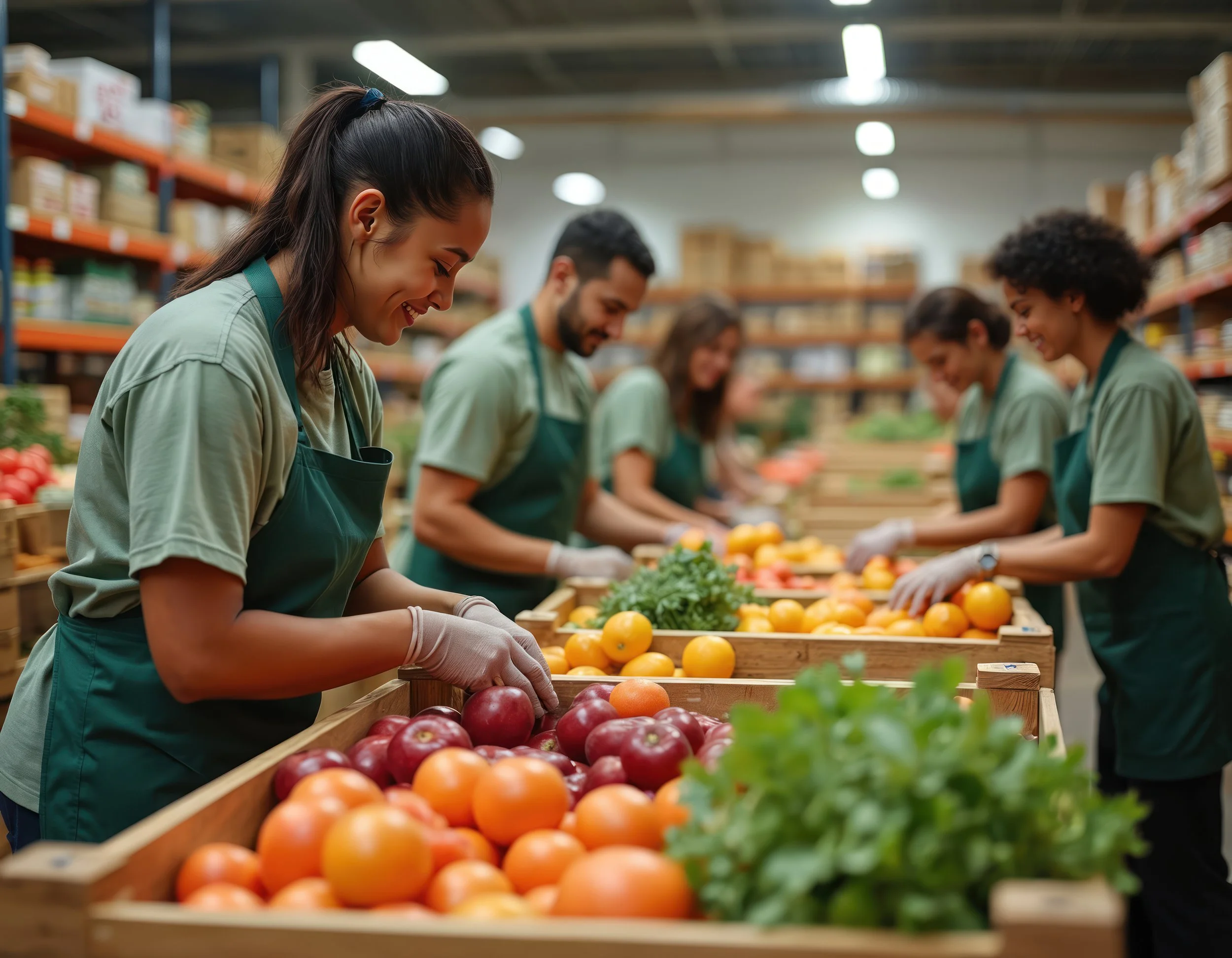
A destination for surplus food from farms, trucks, and institutions.

Central Location
Ideally located off I-95, convenient to food donors and pantries.

No Cost to Pantries
Hub services and food would be free to participating local organizations.
Donate
Support our vision for a stronger, connected food system in York County. Donations to the York County Food Hub are adminstered through our partner and Fiscal Sponsor, COS, Inc, a 501c3 organization in Kennebunk, Maine.
Assessing the Need
To better understand the needs of those on the front lines of food insecurity in York County, we surveyed leaders at 29 local pantries and food programs. Here’s what they told us.
Report occasional or frequent food shortages at their programs.
Occasionally discard or turn away food citing storage limitations, or food quality/shelf life concerns.
Express interest in participating in a countywide food hub.
“If we have surplus food, we always try to find a home for it, but it would be so much easier to direct it to a hub.”
“A local hub would help food pantries share with each other.”
The Opportunity
Based on benchmarking of other similar programs, a York County Food Hub should capture and redistribute
1 million pounds of food annually. That’s the equivalent of:
1,000 cubic yards
of landfill space saved

833,000 meals
provided for York County residents

1,700 metric tons
of carbon emissions
avoided
What’s Next?
How does our vision become reality? See our answers to common questions about the current status and next steps for a York County Food Hub (YCFH).
-
In 2024, leaders of food programs in Kennebunk and Biddeford began discussions around a food hub as a way to expand regional storage capacity and encourage sharing of perishable and surplus food. A steering committee was formed and held monthly meetings to develop the idea and research comparable models.
In 2025, the group expanded and conducted a needs assessment of pantry and food program leaders in the county. With multiple proof points and encouragement from key stakeholders, the York County Food Hub formally incorporated, establishing a Board of Directors to further advance the concept. -
The Hub is still conceptual. The YCFH Board meets monthly to move the idea forward with a 2026 goal of building out a detailed cost budget and operational plan that will attract financial support and strategic partners.
-
Our operational plan is currently being developed, but we believe the Hub will ultimately require:
Modern warehouse space (8,000-10,000 ft) configured for robust food storage needs
Trucks and vans for food transport
Startup capital ($3-4M) and a viable annual funding plan
Experienced staff and volunteers
Collaboration and support from the York County food security ecosystem
If you have ideas or resources to share regarding any of the above, don’t hesitate to contact us.
-
We accept tax deductible donations through a fiscal sponsorship with COS of Kennebunk, a 501c3 organization. If you are a prospective food donor, grantmaker, or have in-kind services to offer, don’t hesitate to reach out to us and initiate a discussion about our needs and goals.
-
Still to be determined, but we envision a location adjacent to I-95 in York County offering convenient access for food donors and participating food programs.
-
There are successful hubs nationwide, including here in Maine (Wayside Food Programs of Portland, for example). Each is different, but have common characteristics that include a commitment to food rescue, a physical location with sufficient space and equipment to meet large-scale food storage needs, and a collaborative, regional model for supporting the diverse needs of area food programs and pantries.
-
Food hubs and food banks serve different but complimentary roles. We expect to work closely with Good Shepherd to supplement and enhance their vital work in the county. We meet and share regular updates with the GSFB team and they are supportive of our efforts.
Meet The YCFH Board
Alex Gramling
Alex has led marketing for Fortune 100 companies and tech startups, and serves on the board of several local non-profits including United Way of Southern Maine and Community Harvest. He lives in Kennebunk, ME.
Katie Brown
Katie is the Executive Director of Biddeford-based Youth Full Maine, operating school-based pantries and hosting regular fresh produce distributions throughout York County. She lives in Portland, ME.
David Higham
David is the Director of Food Programs at Community Outreach Services (COS), and leads an ongoing food hub pilot, redistributing surplus food from COS to neighboring pantries. He lives in Kennebunk, ME.
Kelly Roberts
Kelly is the Program Manager for MaineHealth Partners for Healthier Communities, and leads the York County Food Council, a regular discussion group of food program leaders. She lives in Arundel, ME.
Chris Lewis
Chris was most recently President, Supply Chain for the US division of Ahold Delhaize, a leading global food retail group, whose grocery holdings include Hannaford and Stop and Shop. He lives in York, ME.
Stay Connected
Use the form below to contact us and sign up for our mailing list. We won’t share your personal information, and we’ll only contact you when we have news or ideas to share.